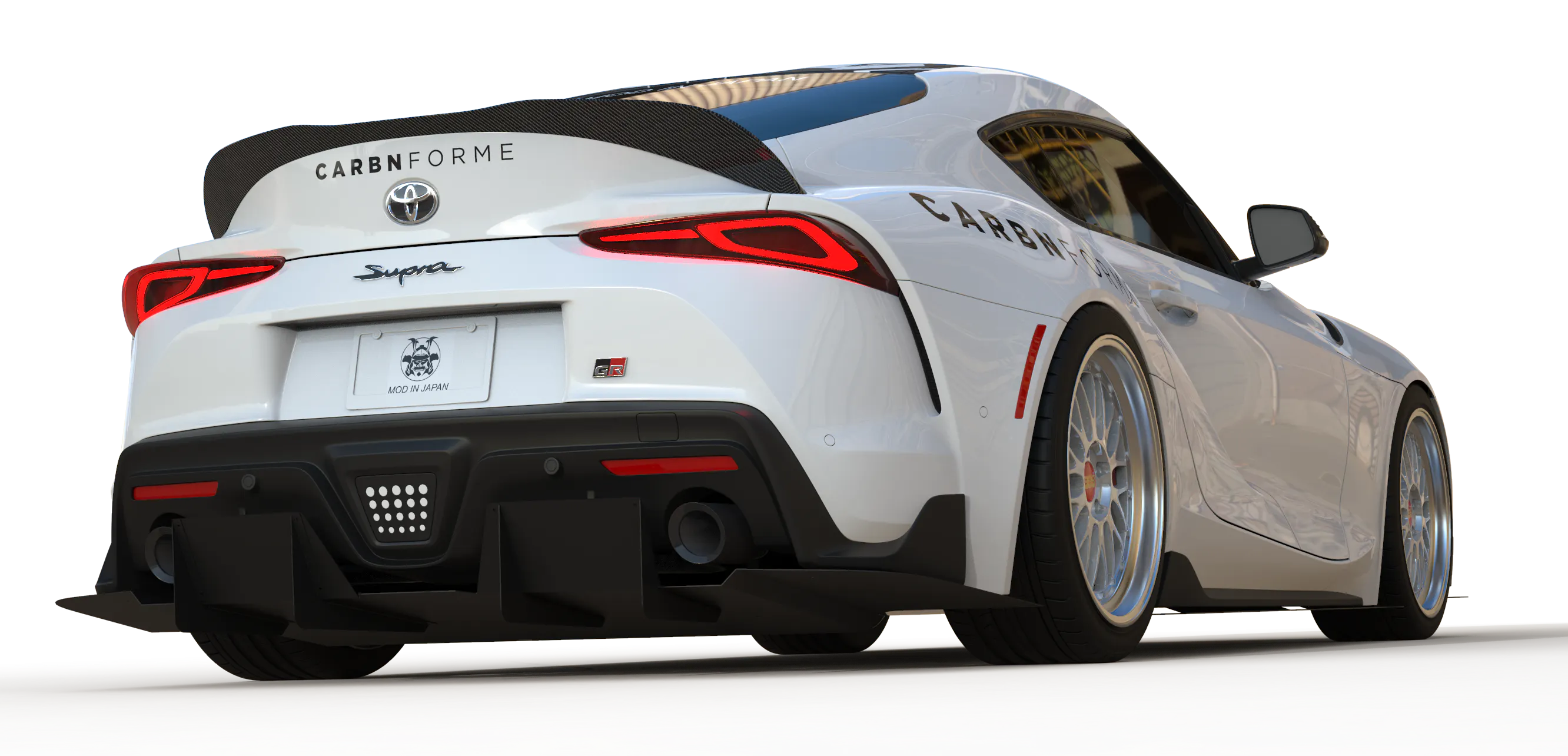
Wet Carbon Fiber
In the "wet" process, the carbon fiber is laid out into a mold using a dry cloth. A mix of one part carbon, two parts resin is applied to the cloth before being placed inside a bag and heated in a vacuum. This method makes carbon fiber weaves far more affordable. However, wet carbon fiber is subject to more air bubbles, creating wavy fiber weaves and weaknesses. Because it is notably less expensive to produce carbon fiber using the wet method, most cheaper carbon fiber parts are created "wet."
Process
Why Dry?
Dry carbon fiber is produced by coating each specific weave with an appropriate amount of resin before it has set or cured. In other words, its resin is pre-impregnated (or prepreg), literally built into the fiber. The prepreg fiber is placed in an autoclave to cure at high pressure and heat, removing impurities and strengthening the material. Since the resin is baked in rather than applied on top, the fiber generally comes out looking flat (dry) rather than glossy. However, you can alter the look by using a glossy layer of gel coat.
Overall, the prepreg dry carbon process optimizes its durability and limits unnecessary resin in the structure, ultimately cutting down weight. Although it costs more and is harder to mass-produce than wet carbon fiber, dry carbon fiber is significantly lighter and stronger. It is the highest-quality version of carbon fiber products.
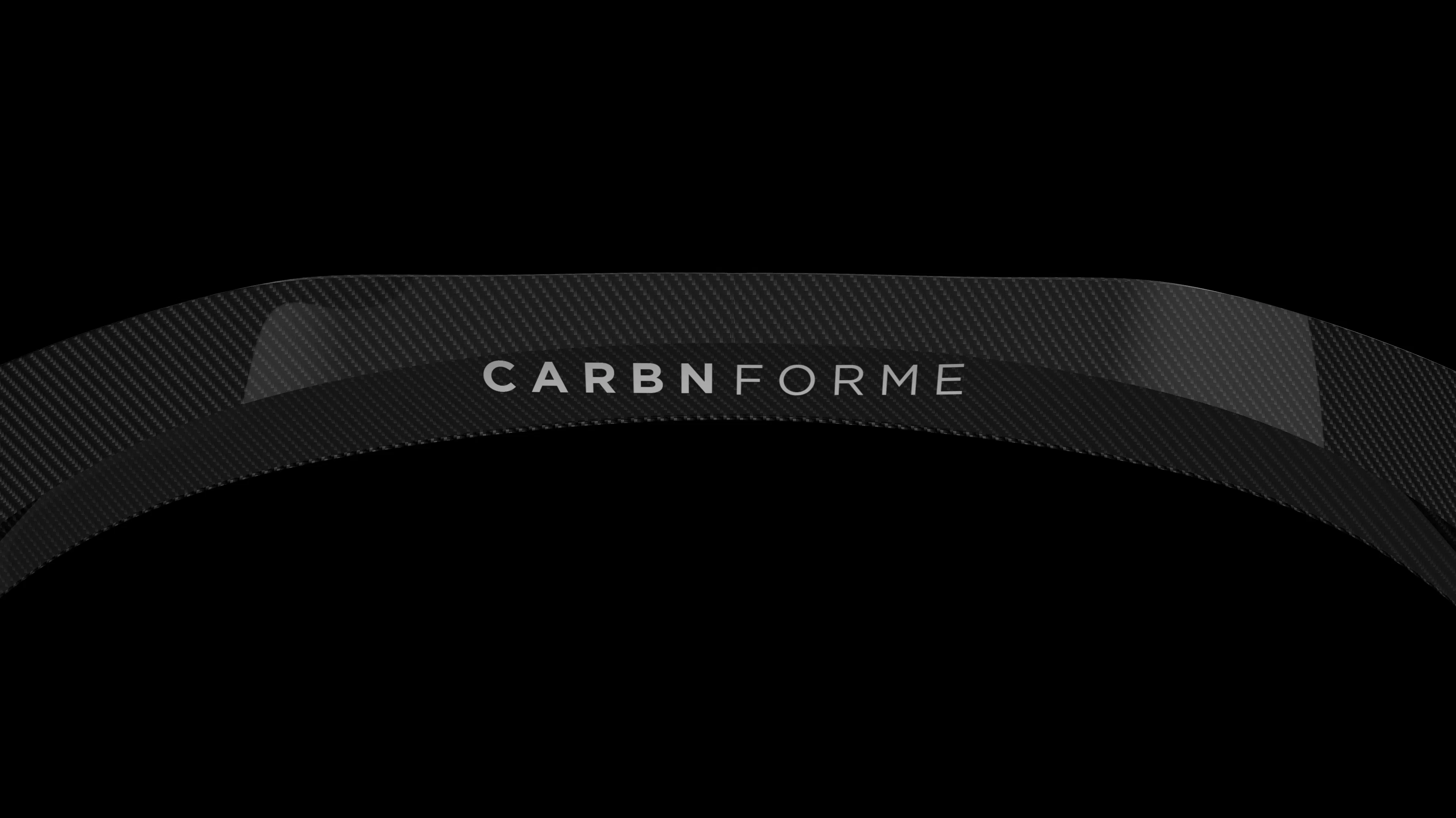
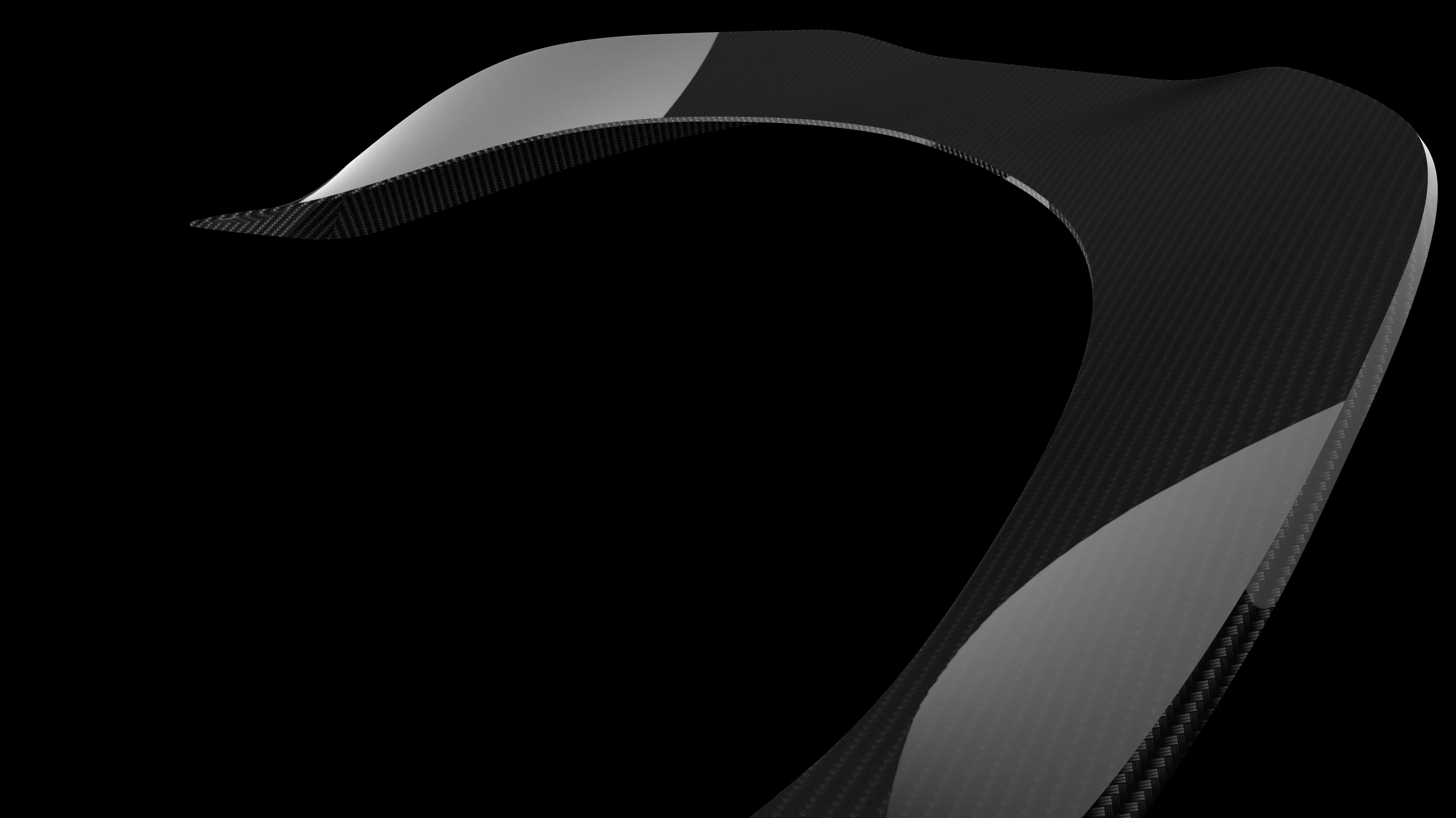
Dry carbon weave